
Imagine walking through a bustling bazaar in Jaipur. The air smells like spices and ornaments shimmer everywhere. You see a beautiful anklet that catches your eye.
But you wonder, is this real silver or just an imitation? You don’t want to pay too much for something fake.
Knowing how to spot real silver is key. You need to know the difference between real and fake. Learning how to check silver purity helps you avoid scams.
By learning these skills, you save your money. This guide will help you shop with confidence. Knowing how to identify silver purity lets you make smart choices.
Key Takeaways
- Recognize the importance of hallmarking in the Indian market.
- Learn simple, non-destructive methods for testing metal authenticity.
- Understand the difference between sterling and lower-grade alloys.
- Protect your investments from common marketplace scams.
- Gain the confidence to shop for precious metals anywhere in India.
Understanding the Basics of Silver Jewellery
Starting to buy silver means learning about its grades. Many think all silver is the same. But, it’s not true. By checking silver purity level first, you save money and get what you paid for.
The Difference Between Pure Silver, Sterling Silver, and Silver Plated
Pure silver, marked as 999, is 99.9% silver. It’s beautiful but very soft. This makes it not good for everyday jewelry.
To make jewelry stronger, silver is mixed with metals like copper. This makes it better for daily wear.
Sterling silver is top quality, with 92.5% silver and 7.5% other metals. It shines well and is strong. Silver-plated items have a thin silver layer over a base metal. These are not good investments because the silver wears off, showing the cheaper metal.
Why Silver Purity Matters for Your Investment
The purity of silver affects its value and resale. When you check silver purity level, you see its true worth. Real silver keeps its value, but plated items lose theirs when the silver wears off.
Choosing the right silver means your jewelry lasts long. Knowing the difference helps you avoid bad choices. This way, your jewelry is a lasting heirloom, not just a short-term thing.
| Type of Silver | Silver Content | Durability | Investment Value |
|---|---|---|---|
| Pure Silver | 99.9% | Low | High |
| Sterling Silver | 92.5% | High | High |
| Silver Plated | Low | None |
Decoding Hallmarks and Stamps
When you look at a piece of silver, small marks tell its story. Learning these symbols helps you know if it’s real. These marks show the silver’s purity and where it came from.
Recognizing the BIS Hallmark in India
In India, the Bureau of Indian Standards (BIS) checks silver quality. Look for the BIS hallmark. It has the BIS logo, purity grade, and the maker’s mark. This means you get quality silver for your money.
Common International Silver Stamps and What They Mean
Many pieces have stamps that show their metal type. These stamps are known worldwide. Knowing them helps you check if silver is real.
Understanding 925 Sterling Silver Markings
‘925’ is a common stamp for sterling silver. It means the silver is 92.5% pure, mixed with 7.5% other metals. This mix makes silver jewelry last longer.
Identifying 999 Fine Silver Stamps
‘999’ means the silver is almost pure, at 99.9%. It’s very soft and often used for special items. Not for everyday wear.
Visual Inspection Techniques for Silver Authenticity
Learning to check silver purity by sight is easy and free. You don’t need special tools. This is great for anyone who buys or collects silver.
By looking closely, you can tell if something is real silver or not. It’s like solving a mystery.
Checking for Discoloration and Tarnish Patterns
Silver gets a dark patina from the air. This tarnish shows it’s real. It looks the same all over.
If it flakes or peels, it’s probably plated. This means it’s not solid silver.
Look at where you touch it a lot. Real silver wears down evenly. But plated items show shiny spots where the silver is gone.
Examining the Weight and Feel of the Piece
Silver feels heavy and solid. It’s different from other metals. If it feels too light, it might not be real.
Jewelers use weight to check silver. It’s not perfect, but it helps. If it feels wrong, it might be fake.
Looking for Signs of Base Metal Underneath
Check the edges and joints with a magnifying glass. Look for colors that don’t match. Red or yellow means it’s not all silver.
Learning to spot fake silver is key. Paying attention to details helps you avoid bad deals. Remember, these checks are just the start. You might need more tests later.
How to Check Silver Purity Using the Magnet Test
Using a common household magnet is a great way to check if silver is real. This method helps spot fake jewelry made of magnetic metals like iron or nickel. Real silver doesn’t get pulled by a magnet.
Why Silver is Non-Magnetic
Silver doesn’t get attracted to magnets because it’s diamagnetic. When you hold a magnet near silver, you won’t see any pull. This is a key way to know if silver is real.
“The beauty of precious metals lies in their unique physical properties, which allow us to verify their quality through simple, observable science.” — Anonymous Expert
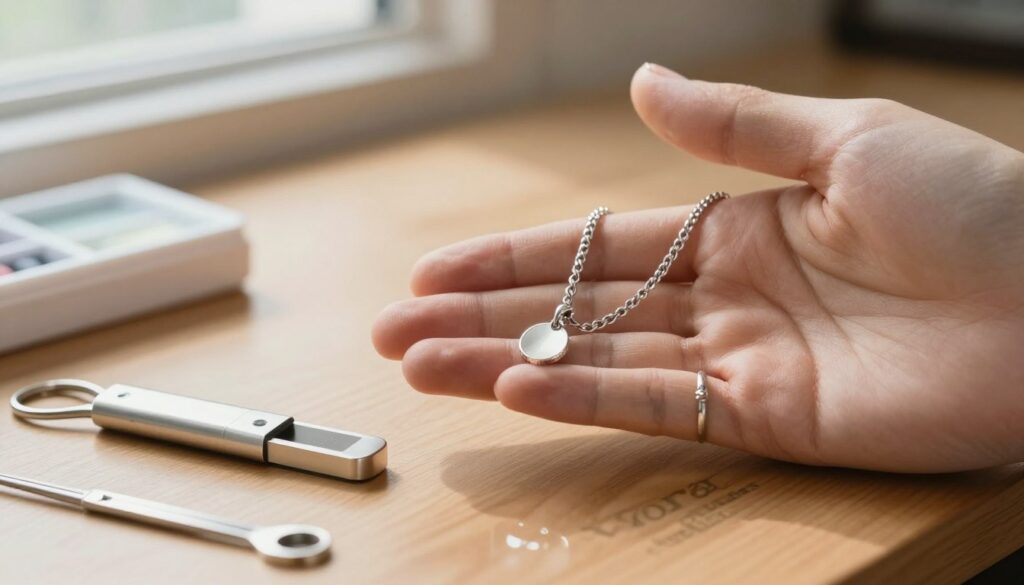
Step-by-Step Guide to Performing the Magnet Test
To check if silver is real, use a strong neodymium magnet. Here’s how to do it right:
- Put your silver item on a flat, non-metallic surface.
- Slowly move the neodymium magnet close to it without touching.
- See if the item moves toward the magnet or stays still.
- If it doesn’t move, it’s probably real silver.
Limitations of the Magnet Test for Silver Alloys
This method is good for finding obvious fakes. But, it’s not perfect. Metals like copper or lead are also non-magnetic and can be used to make fake silver. So, use this test along with others to be sure.
Also, some silver-plated items might not react to a magnet. If you’re not sure, use more tests to check the metal. Remember, if a magnet doesn’t pull, it’s a good sign. But, it’s not a 100% guarantee.
The Ice Cube Test for Thermal Conductivity
Learn how silver’s special properties help you do a simple silver purity test with ice. This method works because silver is very good at moving heat. By watching how ice reacts to your jewelry, you can learn about its makeup.
The Science Behind Silver’s Thermal Properties
Silver is great at moving heat, which is why it’s used in fancy electronics and big projects. When you put an ice cube on real silver, the metal takes heat from the air and gives it to the ice. This makes the ice melt faster than it would on wood or plastic.
This trick is a simple way to test silver purity at home. Fake or plated items don’t move heat as well, so the ice stays solid longer. This shows if your item is real silver or not.
How to Conduct the Ice Test Safely
Make sure your silver jewelry is clean and dry before testing. Put an ice cube on a non-conductive surface as a control. Then, put another ice cube on your silver item. Watch how fast the ice melts to see if it’s real silver.
Be gentle with your jewelry to avoid scratches. If you’re testing a delicate piece, use a thin plastic film between the silver and ice. This keeps the silver safe without blocking heat transfer.
Interpreting Your Results
If your item is real silver, the ice will melt fast. You’ll see the ice get wet and slippery quickly, making a small water pool. If the ice doesn’t melt fast or at all, it’s probably not real silver.
| Material | Thermal Conductivity | Ice Melting Speed |
|---|---|---|
| Pure Silver | Extremely High | Very Fast |
| Sterling Silver | High | Fast |
| Stainless Steel | Low | Slow |
| Copper Alloy | Moderate | Moderate |
This silver purity test is a good sign, but use it with other tests for sureness. The ice test is good for finding real silver, but it doesn’t tell you the silver’s quality. It’s a quick way to check your collection.
Performing the Sound Test
Your ears can help check if your metals are real. Many people use marks or magnets. But, silver’s sound is a special way to test silver purity at home.
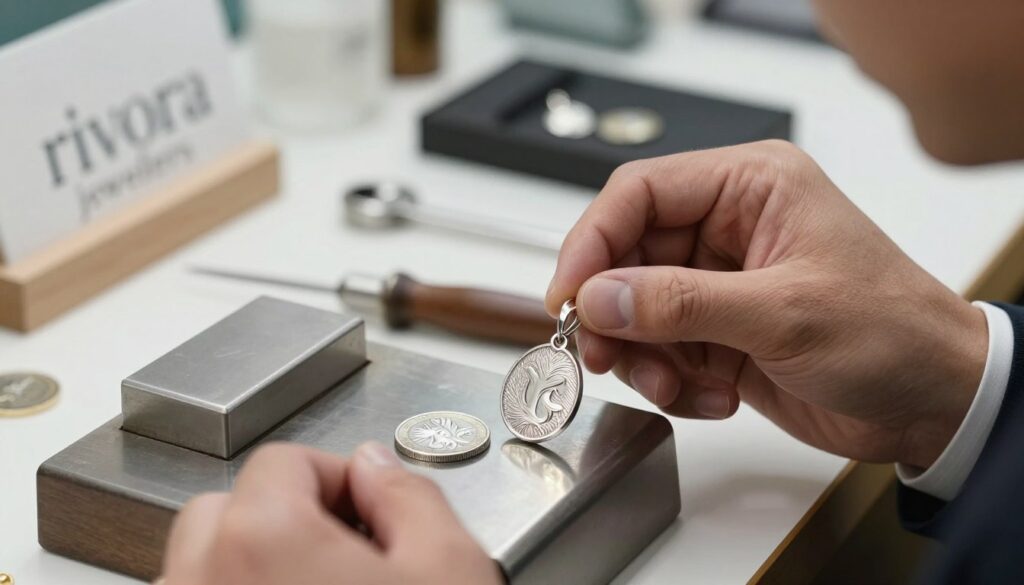
The Ringing Sound of Genuine Silver
Genuine silver makes a special sound. It rings out with a clear, high-pitched, bell-like ring that lasts a few seconds.
This sound comes from silver’s special structure. If your jewelry sounds short and flat, it’s probably not silver.
How to Properly Strike Your Jewellery
To test safely, tap your jewelry gently on a hard surface. A wooden table or glass countertop is best to avoid scratches.
Hold the piece lightly with your fingers. Use a soft object like a plastic pen to strike it. Listen carefully for the clear sound right after.
Comparing the Sound of Silver Against Other Metals
It helps to compare with known metals to test silver purity. Base metals like copper or brass sound dull.
If it sounds flat and dies out fast, it’s probably plated. With practice, you’ll learn to hear silver’s unique sound.
Chemical Methods for Silver Purity Measurement
Learning to use testing acids lets you check silver purity at home. Visual checks are good, but chemical tests are better. They help you know if silver is real or fake.
Using Acid Testing Kits Safely
An acid testing kit is key for checking jewelry. It has a special stone and nitric acid. Scratch a small area on the stone to see how the acid reacts.
Safety Precautions When Handling Testing Acids
Be very careful with these acids because they are very harmful. Wear gloves and goggles to protect your skin and eyes. Work in a place with good air to avoid breathing in fumes from the silver purity test.
Interpreting Color Changes on the Testing Stone
When you put acid on the metal, look for color changes. A bright red or deep blood-red means it’s sterling silver. Green or brown means it’s probably plated.
The Bleach Test and Its Risks
Some try using bleach to test silver, but it’s risky. Silver tarnishes fast with bleach, but it can permanently damage your jewelry. Don’t use bleach on delicate or old pieces because it can ruin them.
| Testing Method | Accuracy Level | Risk to Jewellery |
|---|---|---|
| Acid Testing Kit | High | Minimal (Small scratch) |
| Bleach Test | Low | High (Permanent damage) |
| Magnet Test | Moderate | None |
Professional Methods of Determining Silver Purity
For sure proof of silver quality, go beyond DIY tests. Home tests are good for quick checks but not precise for valuable items. Learning how to check silver purity through pros gives you accurate info about your collection.
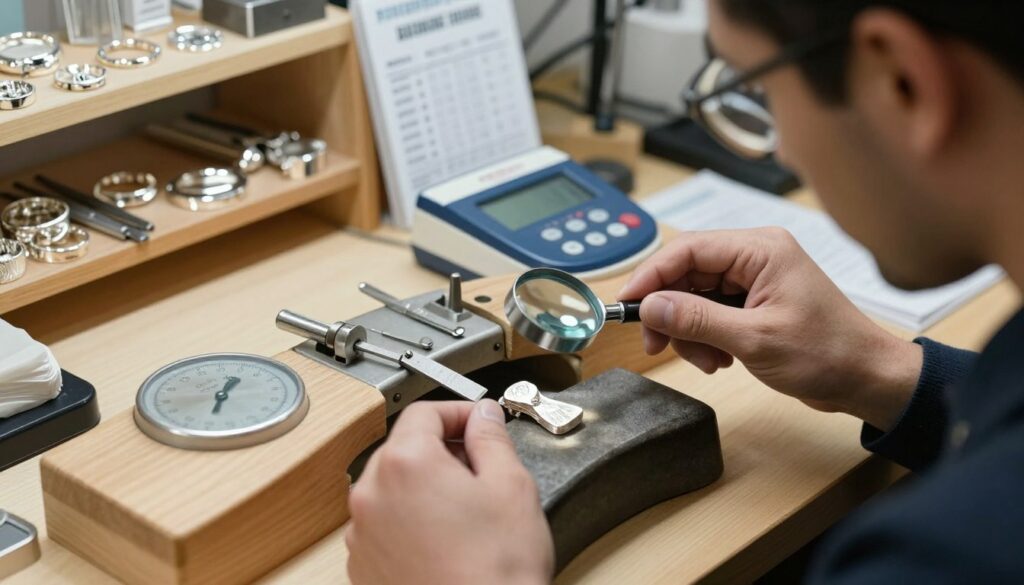
X-Ray Fluorescence (XRF) Spectrometry Explained
XRF spectrometry is a top-notch, non-harmful way to check your jewelry. It uses X-rays to make atoms in the metal shine. Then, it reads these signs to tell you the silver content.
This method is super reliable for silver purity measurement. It’s safe for delicate or old items. It can even find tiny amounts of other metals in your alloy.
Electronic Silver Testers and Their Accuracy
Electronic testers are a good middle choice between DIY tests and lab checks. They check how well metal conducts electricity to figure out what it’s made of. They’re very fast and show purity levels right away.
But, they might not be as exact as XRF machines, especially with surface coatings or tarnish. Make sure the probe touches the real metal for best results. They’re great for quick checks but not as precise for complex alloys.
When to Seek a Professional Jeweler’s Appraisal
There are times when DIY tests aren’t enough. If you’re selling a valuable piece or need insurance value, get a pro appraisal. Experts use advanced methods to give you a formal, legal document.
Also, if your piece looks odd or has a weird hallmark, see a reputable jeweler. They can spot fakes that might fool you. Their help gives you peace of mind with professional verification.
Common Scams and How to Avoid Them
Learning how to check if silver is real helps keep you safe from scams. The love for precious metals is strong, but scammers try to trick people. Knowing how to spot fake items keeps your money safe and your collection valuable.
Identifying Fake Hallmarks and Forged Stamps
Scammers try to make fake marks look real. In India, the Bureau of Indian Standards (BIS) has special marks. Always check these marks with a magnifying glass to see if they are sharp and clear.
If a mark looks scratched or uneven, be careful. Real marks are deeply pressed into the metal. A “925” mark that looks off might be fake.
Red Flags When Buying Silver Online
Buying jewelry online is easy, but it can be risky. Watch out for prices that seem too low. If a seller offers “pure silver” at a very low price, it’s likely fake.
Also, be cautious of websites without clear contact info. Good sellers provide detailed info and clear images. If they won’t show a purity certificate, don’t buy.
The Importance of Buying from Reputable Indian Jewelers
Buying from a trusted local jeweler is safest. Jewelers in India value their reputation and sell real, marked items. They provide proof of purity, giving you peace of mind.
Buying from a known jeweler means you get expert advice and support. This is rare online. Always choose quality and honesty over cheap deals.
| Feature | Legitimate Silver | Fraudulent Item |
|---|---|---|
| Hallmark | Clear, laser-etched BIS mark | Blurry, shallow, or missing |
| Pricing | Aligned with market rates | Suspiciously low discounts |
| Documentation | Provided with purchase | None or vague receipts |
| Seller Status | Verified physical store | Anonymous online profile |
Caring for Your Real Silver Jewellery
Keeping your silver jewelry in top shape is key. Learn how to store and clean it right. This way, your pieces will stay bright and you won’t need to check their purity often. Taking good care of your jewelry keeps its value and beauty for years to come.
Proper Storage to Prevent Tarnish
Silver gets dull from sulfur in the air. Store your jewelry in airtight containers or special boxes. These steps help keep your jewelry looking new.
Use anti-tarnish strips or silica gel packets in your storage. They soak up moisture and bad gases. Keeping your silver cool and dry helps it stay in great shape.
Cleaning Methods That Preserve Purity
When your silver loses its shine, clean it gently. Use a soft cloth to wipe off oils and dust. This keeps your jewelry looking its best.
For a deeper clean, mix mild soap with warm water. Pat it dry with a soft towel. Don’t use harsh cleaners or toothpaste, as they can harm your jewelry.
When to Take Your Jewellery to a Professional
At times, your jewelry needs a pro’s touch. If it has complex designs or gemstones, take it to a jeweler. They can fix deep scratches or heavy tarnish without hurting your jewelry.
Experts also check your jewelry to make sure it’s safe. It’s better to get help from a pro than to risk damaging your silver.
| Care Technique | Frequency | Primary Benefit |
|---|---|---|
| Microfiber Polishing | After every wear | Removes surface oils |
| Airtight Storage | Continuous | Prevents oxidation |
| Professional Cleaning | Annually | Restores deep luster |
Understanding Silver Purity Levels in Indian Markets
Learning about the Indian silver trade helps you make smart choices at jewelry shops. Knowing how to identify silver purity keeps your money safe from bad alloys. This skill is key for exploring the lively but tricky world of local jewelry.
The Role of Bureau of Indian Standards (BIS)
The Bureau of Indian Standards (BIS) is in charge of quality in India. Seeing a BIS hallmark means your item is guaranteed to meet purity standards. This group makes sure you get what you pay for, keeping scams away.
Navigating Local Market Terminology
In Indian markets, you’ll hear “92.5” or “sterling” a lot. Remember, 92.5 means 92.5% silver, with the rest being copper. Always ask your jeweler about the silver grade to avoid mix-ups.
Verifying Purity Certificates Provided by Sellers
Good jewelers give official papers to prove their products’ quality. Checking silver purity level through these papers is crucial before buying. Make sure the paper has the jeweler’s seal, the date, and details about the item’s weight and purity.
If a seller won’t show a certificate or explain the testing, it’s a big warning sign. Honest shops are happy to show their papers and explain how they check quality. Being careful and informed lets you shop safely in India.
Essential Tools for Your Home Silver Testing Kit
Having a home testing kit makes shopping fun. You can check if jewelry is real silver. This way, you don’t buy fake stuff.
Must-Have Items for Every Silver Buyer
Start with a few basic tools. A strong neodymium magnet is key because real silver doesn’t stick to magnets. Also, get a good testing stone and acid solutions for silver quality testing.
These tools help you check jewelry fast and safely. Always use a soft cloth to clean your jewelry first.
| Tool Name | Primary Function | Ease of Use |
|---|---|---|
| Neodymium Magnet | Detects base metal cores | Very Easy |
| Testing Stone | Provides a surface for acid | Moderate |
| Silver Acid Solution | Confirms purity levels | Advanced |
Where to Source Reliable Testing Equipment
Look for tools at jewelry stores or online. Make sure to buy from trusted vendors. Cheap, unknown kits can give wrong results.
Local stores in big Indian cities have good tools. They can help you pick the right ones.
Maintaining Your Testing Tools for Long-Term Use
Keep your tools in good shape. Store acid in a cool, dark place. Always seal the bottles well.
Wipe your testing stones with a damp cloth after each use. If they get too worn, replace them. Consistent care will make your kit last long.
Conclusion
Learning how to check if something is real is key to avoiding scams. You now know how to protect your money and collect real items.
Practicing how to check silver quality helps you find good items easily. You can check if jewelry is real before buying it from places like Tanishq or Kalyan Jewellers.
Using your eyes and simple tools makes buying safer. Knowing what real precious metals look like gives you peace of mind.
Make checking silver quality a part of your shopping. The more you check, the better you get at telling real from fake.
Share your tips on checking silver quality in the comments. Your advice helps others in India make smart choices when buying silver. Keep learning and getting better at finding fine jewelry.